
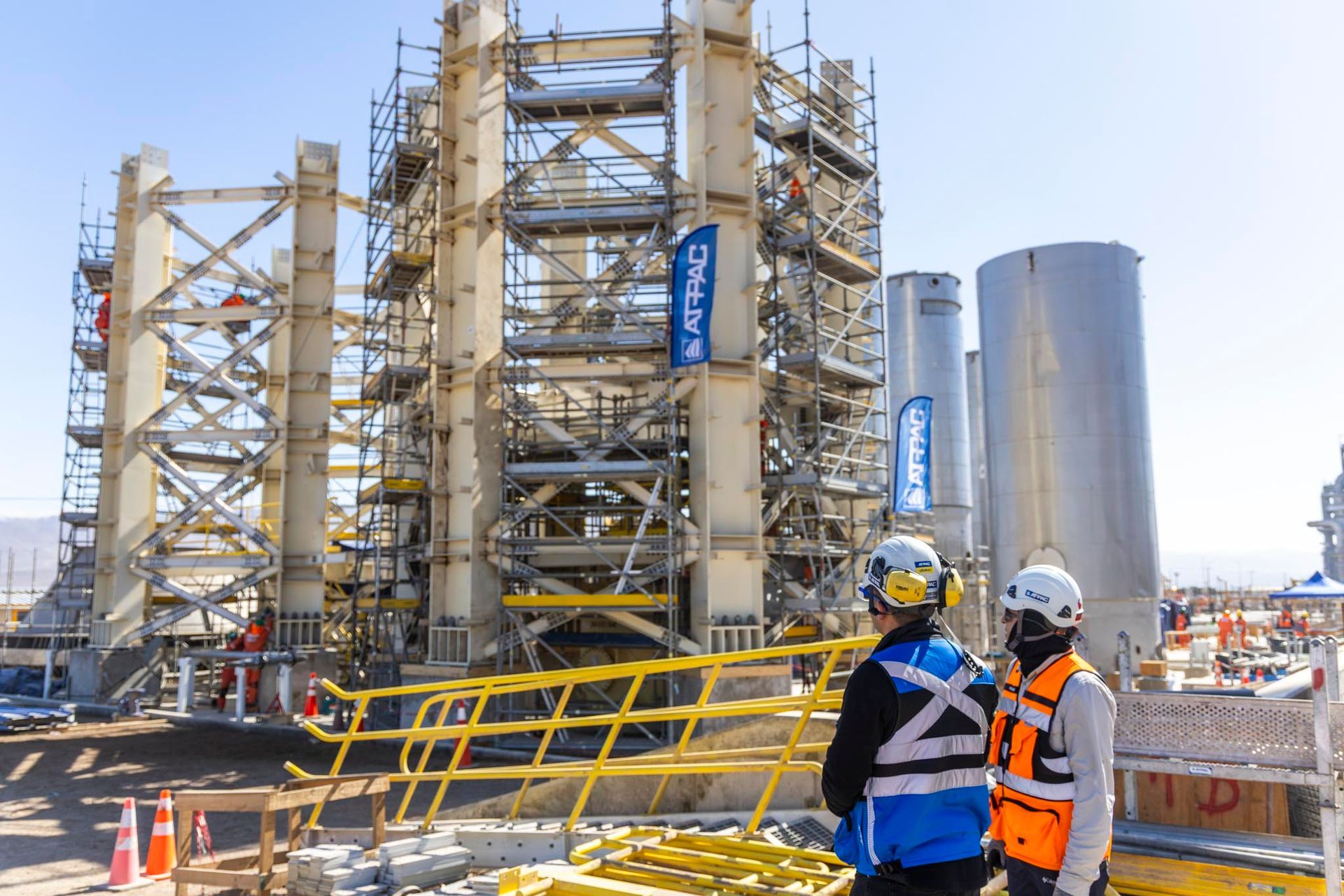
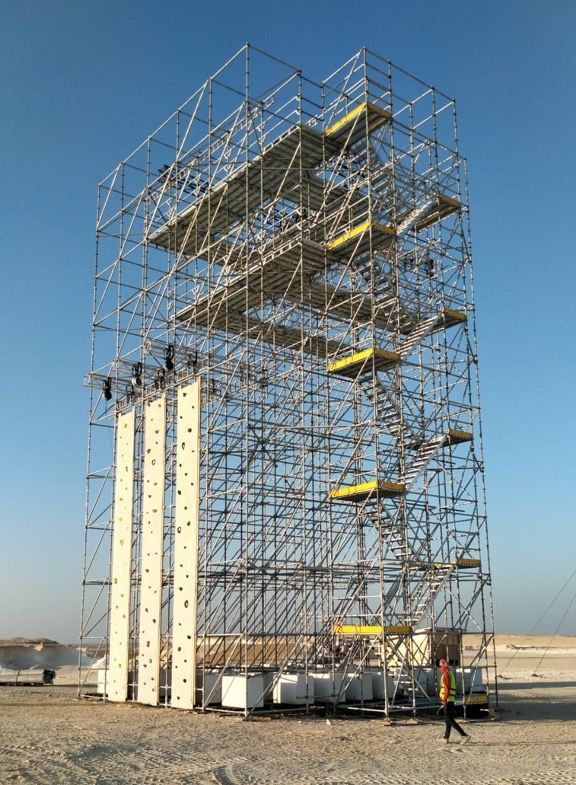
Planning ahead for the Middle East events season As the Middle East’s events season approaches, contractors across the region are already moving into planning and design for upcoming projects. At this stage, decisions around access and temporary structures can have a significant impact on how efficiently a project comes together on site. Engaging early allows temporary works to be considered as part of the broader delivery strategy, rather than simply addressed once construction or installation is underway. Early planning for complex event environments Major events present a unique set of challenges. Temporary structures often need to accommodate demanding structural requirements while working within tight footprints, complex build sequences and immovable event deadlines. AT-PAC works with event contractors during the planning and design stages to develop engineered Ringlock solutions around the realities of each project. This can include structural requirements, site constraints, interfaces with other contractors, access requirements, build and dismantle sequences, and critical programme timings. By considering these factors early, contractors can develop an access and temporary works strategy that supports the wider project from the outset. Global event experience, supported locally AT-PAC has supported major events around the world, providing Ringlock systems and engineered solutions for complex temporary structures and access applications. That experience has given our teams a strong understanding of the pressures behind event delivery. Solutions need to be engineered for the application, but they also need to be practical to transport, build, adapt and dismantle within demanding project schedules. With AT-PAC now established in the UAE , contractors across the UAE and wider Middle East can access this global experience with support from a team on the ground in the region. Start the conversation early For contractors preparing for the upcoming events season, now is the time to begin considering how access and temporary works will integrate with the overall project. Engaging AT-PAC early gives our engineering and project teams the opportunity to understand the requirements, identify potential challenges and develop a Ringlock solution designed around the way the project will actually be delivered. Planning an upcoming event project in the UAE or wider Middle East? Talk to AT-PAC about putting the right access and temporary works strategy behind your event.
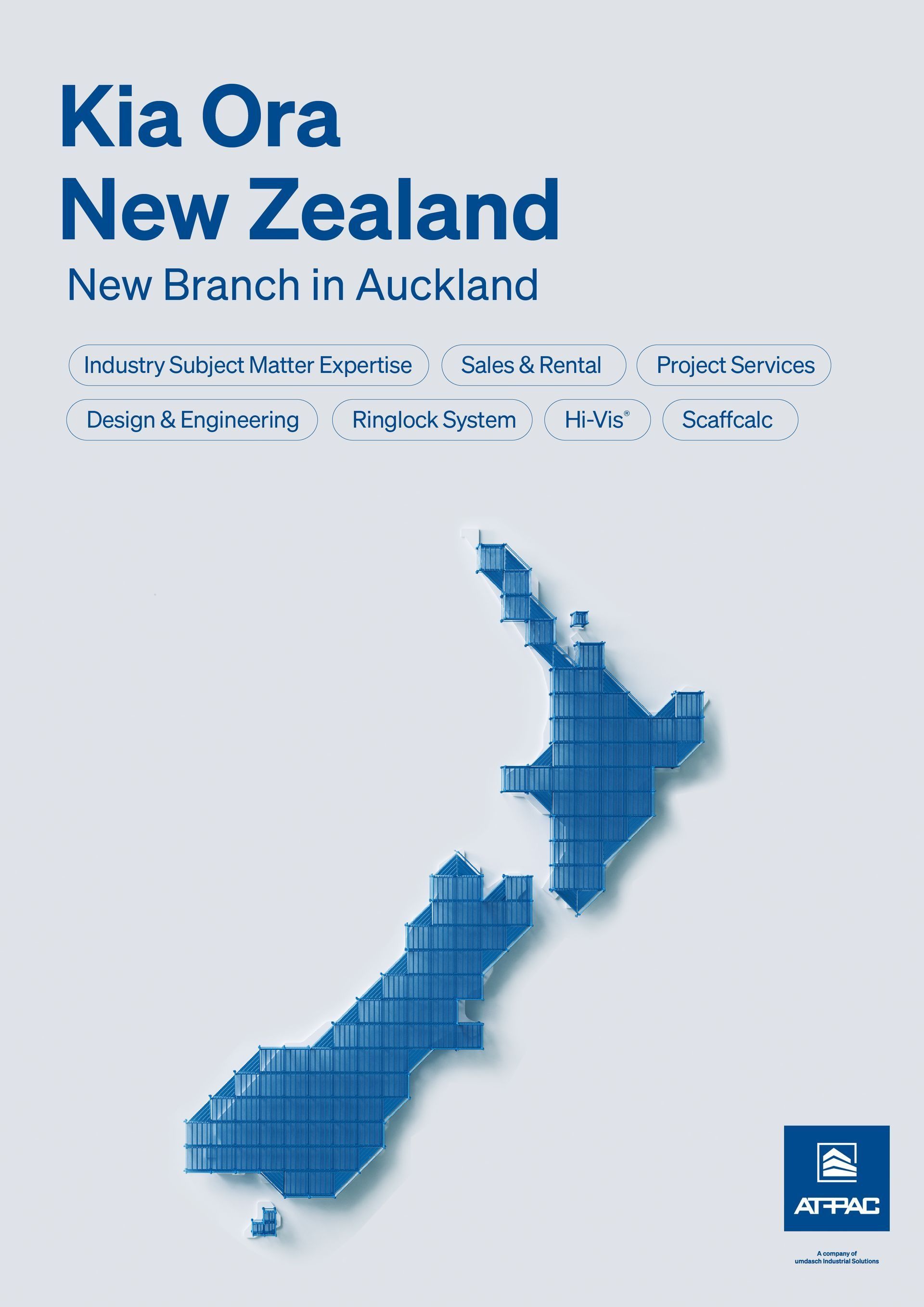
AT-PAC arrives in New Zealand
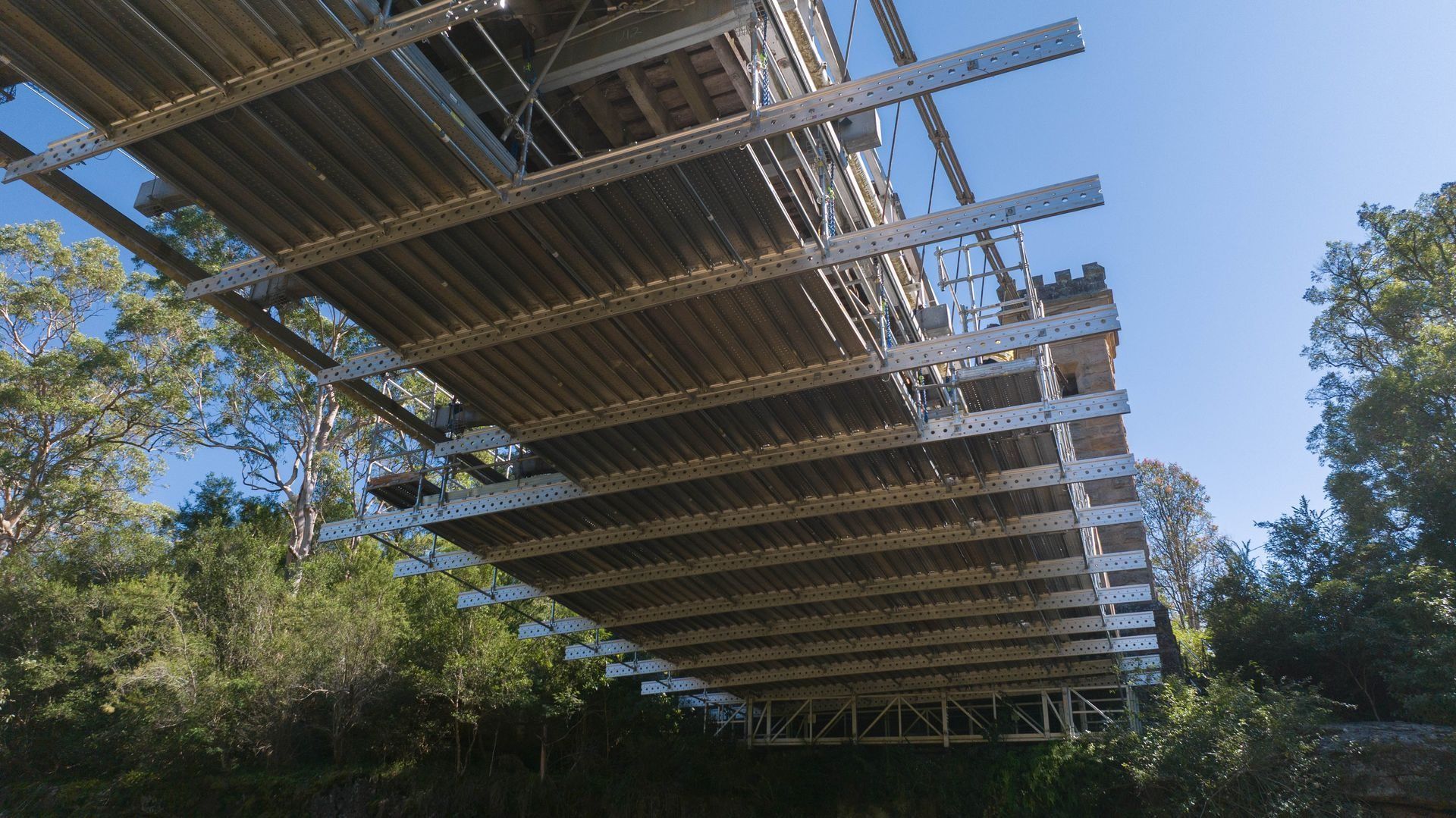
The Multi-Purpose Beam System (MPBS) has played a key role in the Hampden Bridge restoration project in Kangaroo Valley, New South Wales, Australia.

AT-PAC Expands Global Footprint with Official Launch in the United Arab Emirates
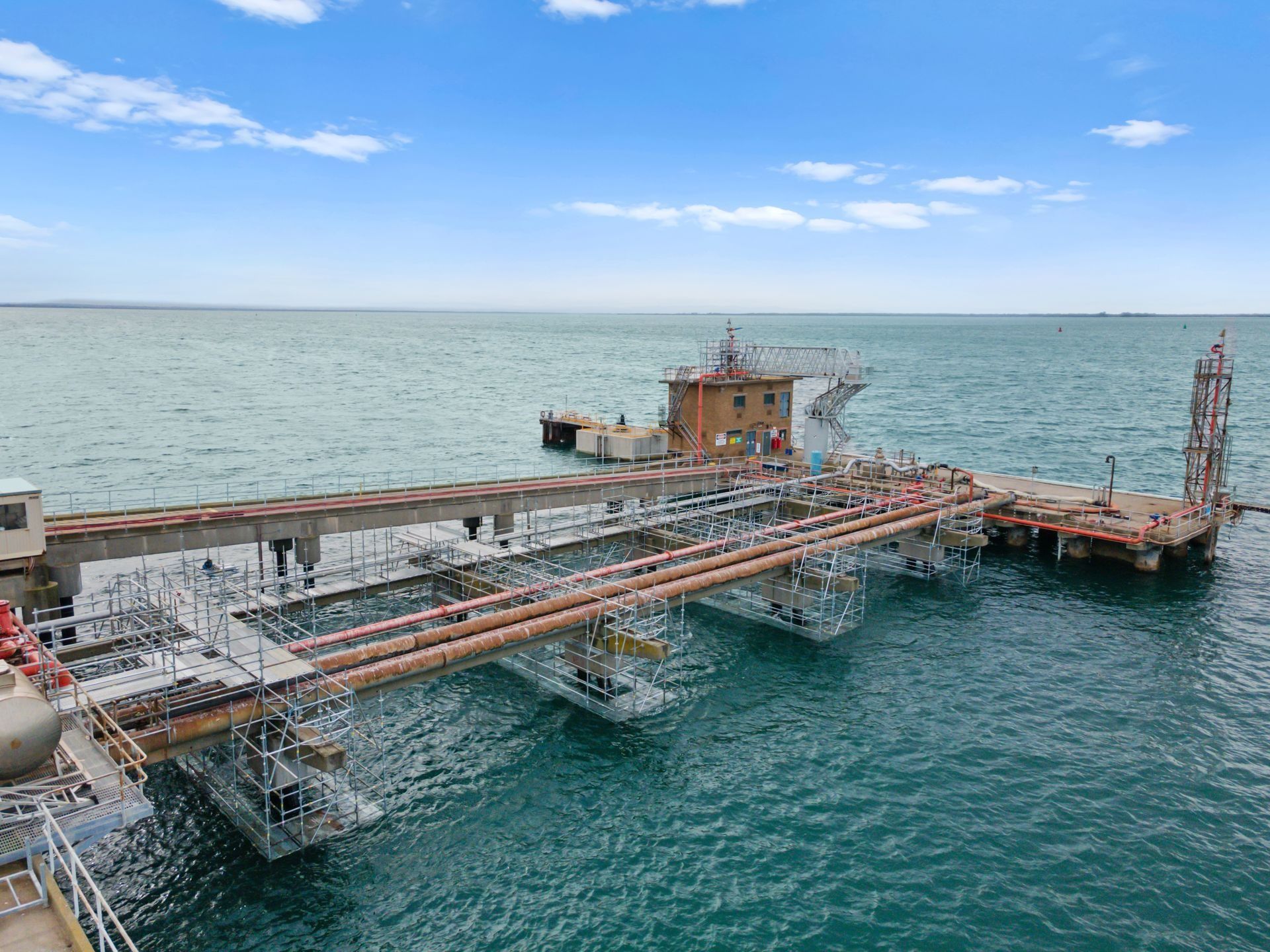
Browse the complete project gallery AT-PAC Australia supplied a comprehensive Ringlock scaffolding solution to support JVAT Industries in delivering a complex headstock refurbishment project at Hastings Port, Victoria, Australia. Working in a challenging marine environment, the project required a fully engineered suspended scaffold system that provided safe access to every headstock and pile beneath the jetty. Designing a solution capable of performing in tidal conditions while withstanding harsh marine weather presented significant engineering and logistical challenges. Parts of the scaffold system were required to operate below the waterline, demanding careful planning, innovative engineering and close collaboration between AT-PAC, Dre Designs and JVAT Industries. Through detailed design and technical expertise, the team delivered a solution that provided safe, reliable access while standing up to the demanding marine environment. AT-PAC's versatile Ringlock system delivered the strength, adaptability and performance required for this highly specialised application, enabling JVAT Industries to deliver a critical access solution for refurbishment works with confidence. This project demonstrates how engineered access solutions, backed by technical expertise and strong collaboration, can overcome even the most demanding industrial access challenges. Project Details Project: Hastings Port Headstock Refurbishment Location: Hastings, Victoria (Australia) Customer: JVAT Industries Application: Suspended marine access scaffold for jetty refurbishment
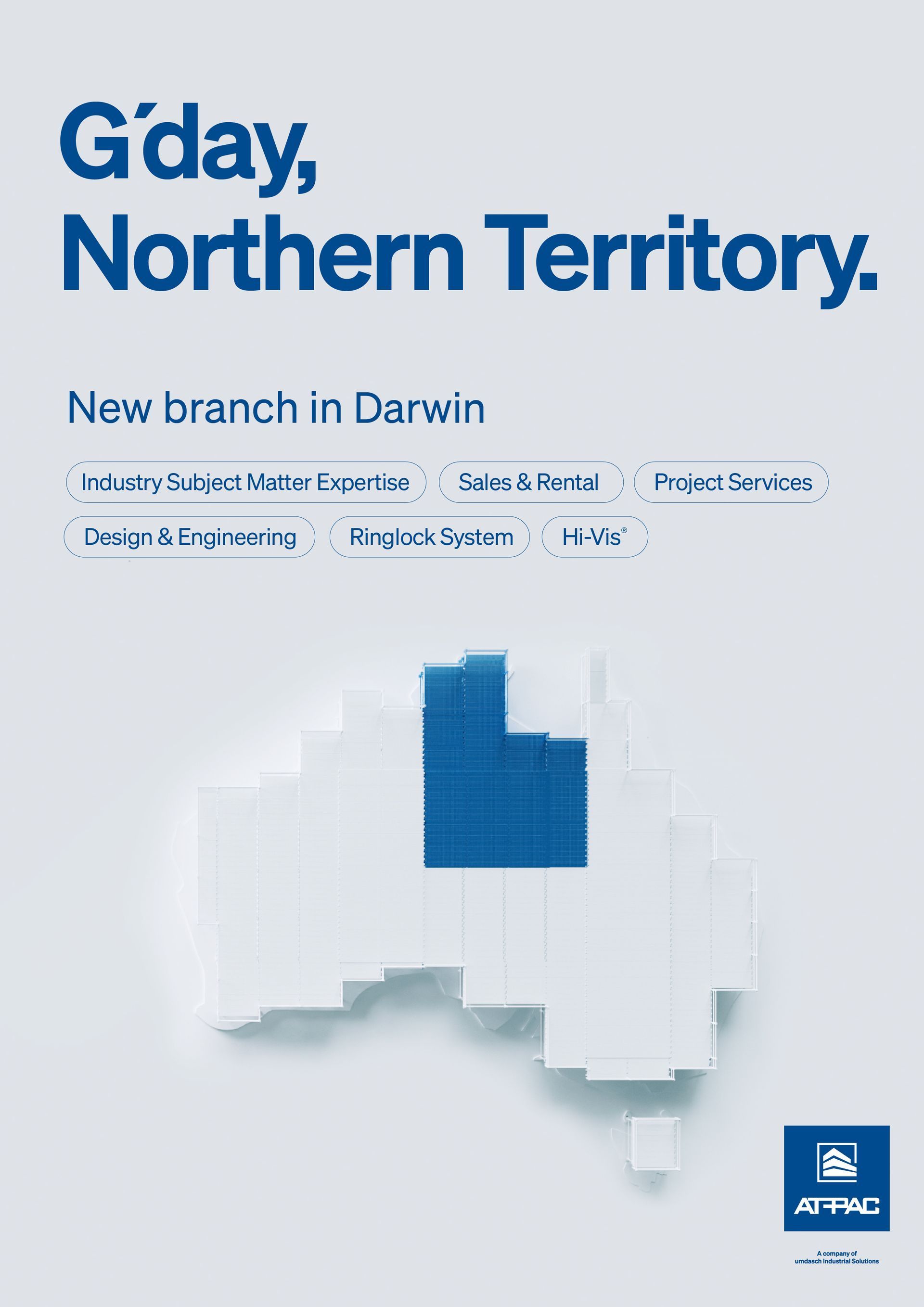
AT-PAC Expands Global Footprint with New Darwin Branch Opening AT-PAC continues to strengthen its global presence with the official opening of its new branch in Darwin, Northern Territory, Australia- marking another strategic step in bringing high-quality scaffolding solutions closer to customers across key industrial and infrastructure markets. Strengthening Local Presence in the Northern Territory The Darwin branch represents a significant investment in the Northern Territory, reinforcing AT-PAC’s commitment to supporting industrial, energy, mining, and infrastructure projects with locally available inventory, engineering expertise, and responsive service. By expanding its footprint in the Northern Territory, AT-PAC is better positioned to: Reduce lead times for customers Provide faster access to Ringlock scaffolding systems Deliver localized support backed by global standards This new location ensures customers across the Northern Territory and surrounding regions have direct access to the equipment and expertise needed to execute projects safely, efficiently, and reliably. Built for Proximity, Designed for Performance At the core of AT-PAC’s global strategy is a simple principle: proximity to the customer matters. The Darwin branch has been designed to function as more than just a distribution point. It serves as a hub for: Scaffold sales and rental solutions Engineering and technical support Project collaboration and planning With a strong local team in place, the branch enables closer partnerships with contractors, industrial clients, and project stakeholders throughout Northern Australia. Supporting Growth Across Key Industries The Northern Territory continues to see strong investment across major industrial sectors, making Darwin a strategic location for AT-PAC’s continued growth. Key industries supported by the new branch include: Oil & Gas Mining Energy Infrastructure Defence and Marine The Darwin expansion allows AT-PAC to further support these industries with scalable scaffold systems designed to meet the demands of complex and remote projects. A Continued Commitment to Global Expansion The opening of the Darwin branch is part of AT-PAC’s broader mission to become a top-tier global scaffolding provider. By investing in regional infrastructure and strengthening its branch network, the company continues to deliver on its promise: The right scaffold system—available where and when it’s needed.
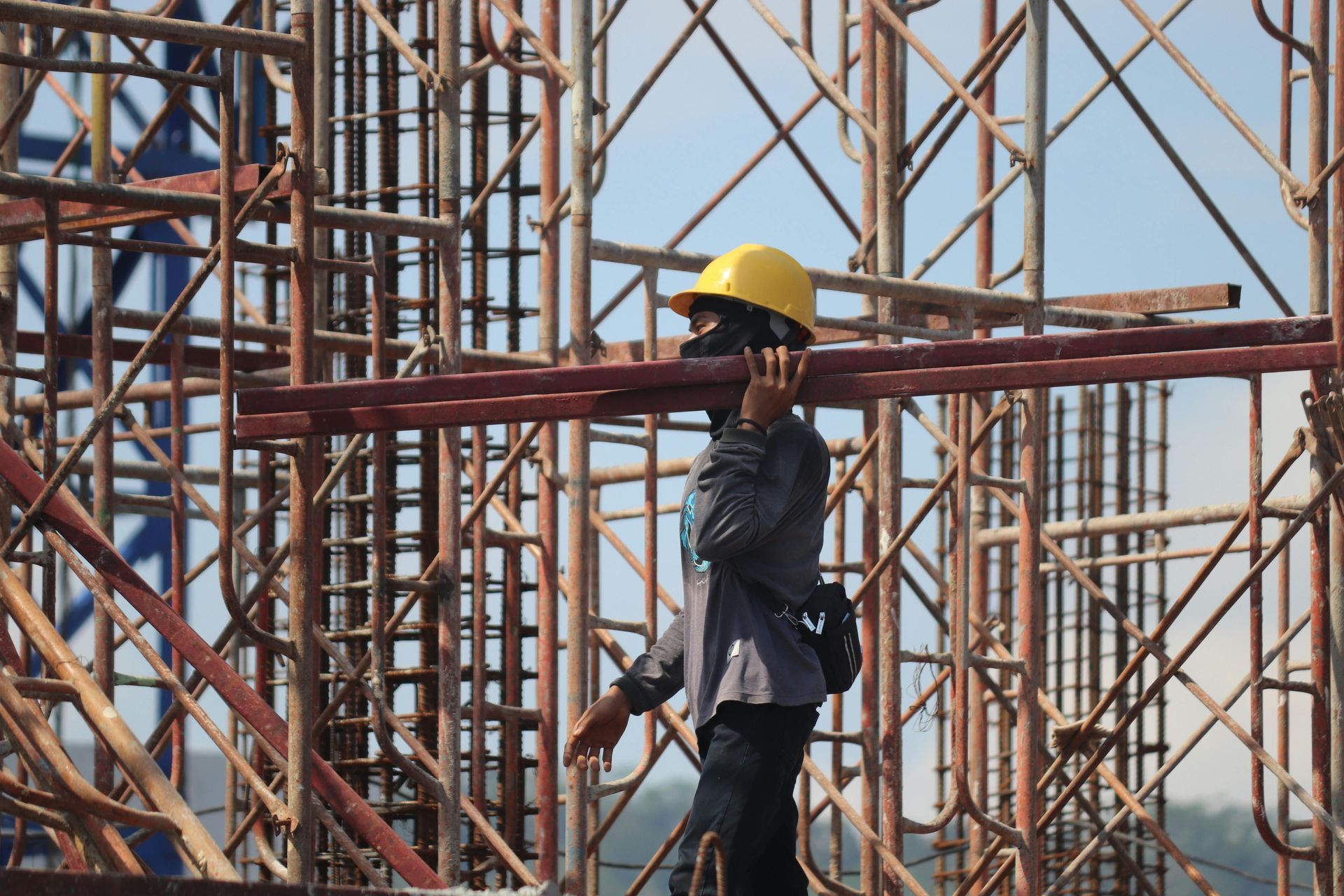
Learn the main types of scaffolding used in construction, including supported, suspended, rolling, cantilever, and system scaffolds like Ringlock.
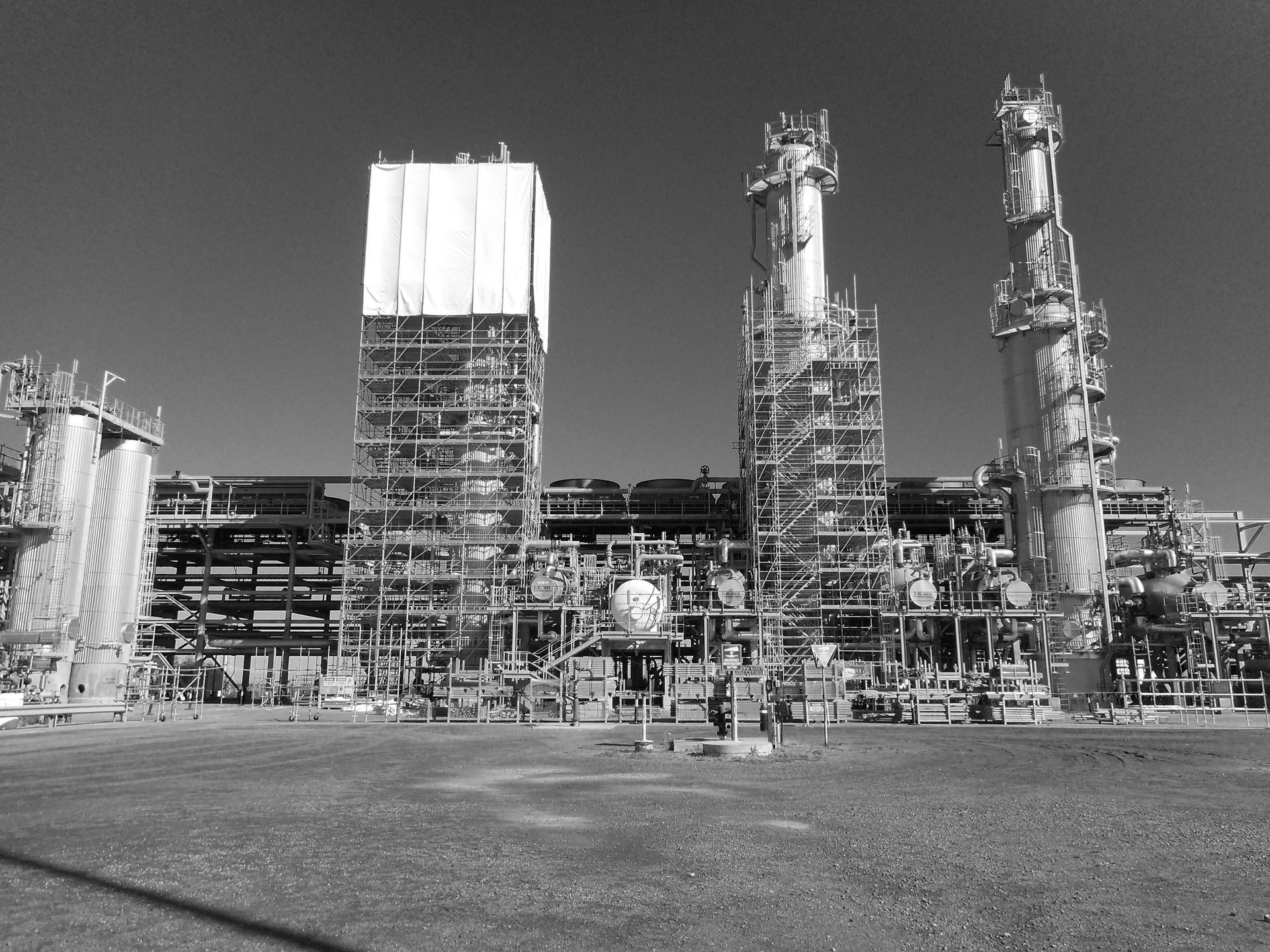
Discover the history of scaffolding, from ancient construction methods to today’s engineered system scaffolds that improve safety and efficiency.

AT-PAC expands U.S. footprint with new branch in Auburndale, Florida AT-PAC, a company of umdasch Industrial Solutions, continues to strengthen its North American presenc e with the opening of a new branch in Auburndale, Florida. Strategically located between Tampa and Orlando, the branch enhances AT-PAC's ability to support customers across the Southeast with improved access to materials, engineering expertise, and local service. As demand for sale, efficient access solutions continues to grow across industrial and commercial markets, the Auburndale branch positions AT-PAC closer to ley project hubs throughout Florida. With a dedicated local team led by Branch Manager Jorge Hernandez, the location is equipped to support scaffolding contractors, asset owners, and EPC's across a wide range of applications - from industrial maintenance to large-scale construction projects. Supporting Growth Across Florida The new Auburndale location reflects AT-PAC's continued investment in regional growth and customer proximity. By expanding its physical footprint with a new facility, the company is able to respond faster to project needs while maintaining the high level of engineering support and service our customers expect. "Expanding into Central Florida is a natural step for us as we continue to grow our presence in key markets across the U.S.," said Allan Hazzard, Managing Director of the USA at AT-PAC. "This new branch allows us to better support our customers with faster access to material, strong local expertise, and the engineering capabilities that set AT-PAC apart." From initial planning and technical consultation through to project execution and delivery, AT-PAC continues to provide end-to-end support backed by its industry-leading Ringlock system, engineering capabilities, and digital tools like Hi-Vis®. Looking ahead The opening of the Auburndale branch marks another step forward in AT-PAC's North American expansion strategy. With continues investment in people, infrastructure, and innovation, the company remains focused on delivering solutions that prioritize safety, efficiency, and performance across every project.
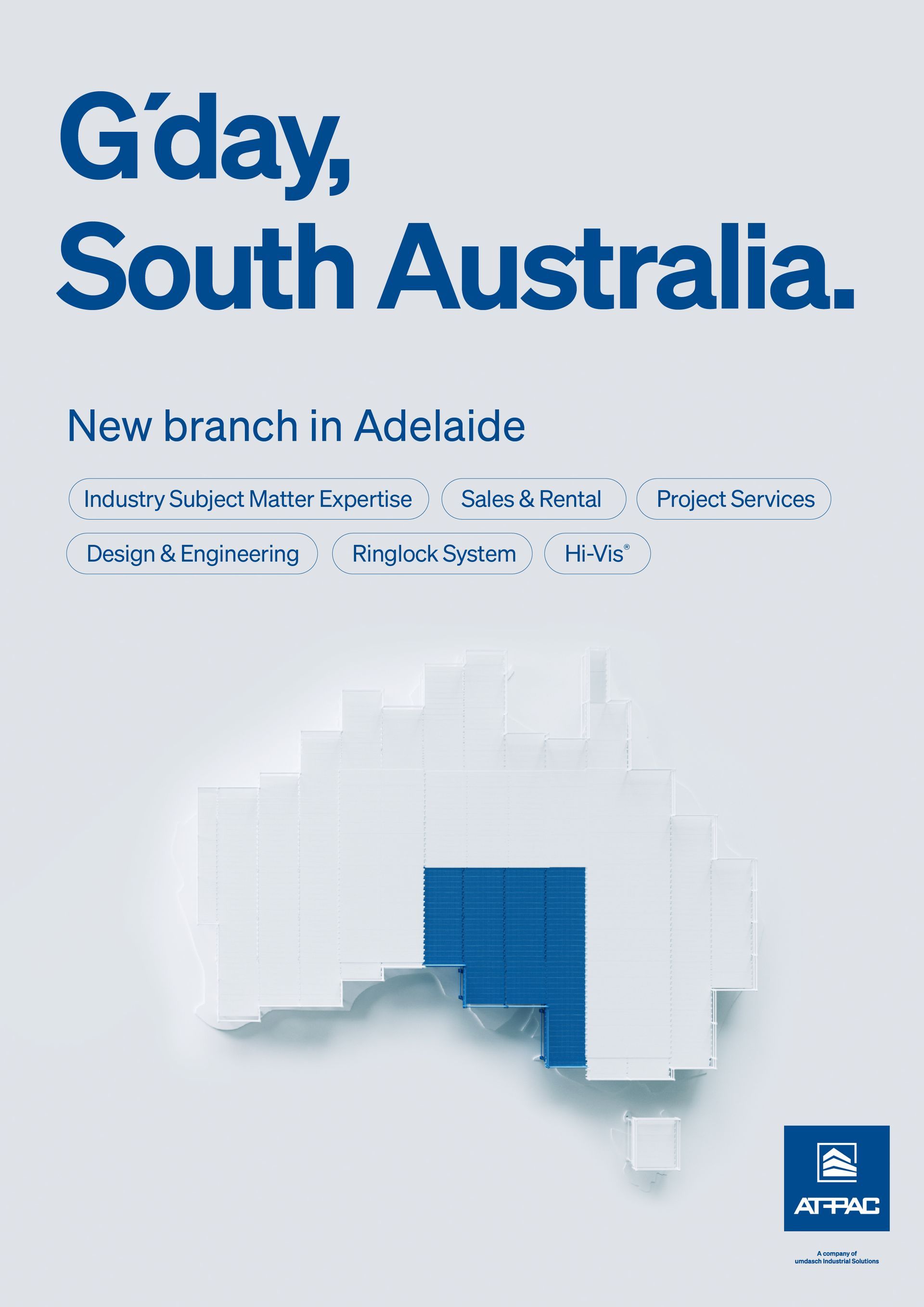
AT-PAC Expands Global Footprint with New Adelaide Branch Opening AT-PAC continues to strengthen its global presence with the official opening of its new branch in Adelaide, Australia—marking another strategic step in bringing high-quality scaffolding solutions closer to customers across key markets. Strengthening Local Presence in Australia The Adelaide branch represents a significant investment in the Australian market, reinforcing AT-PAC’s commitment to supporting industrial, infrastructure, and commercial projects with locally available inventory, engineering expertise, and responsive service. By expanding its footprint in South Australia, AT-PAC is better positioned to: Reduce lead times for customers Provide faster access to Ringlock scaffolding systems Deliver localized support backed by global standards This new location ensures that customers in the region have direct access to the equipment and expertise needed to execute projects safely and efficiently. Built for Proximity, Designed for Performance At the core of AT-PAC’s global strategy is a simple principle: proximity to the customer matters. The Adelaide branch has been designed to function as more than just a distribution point. It serves as a hub for: Scaffold sales and rental solutions Engineering and technical support Project collaboration and planning With a strong local team in place, the branch enables closer partnerships with contractors, industrial clients, and project stakeholders throughout the region. Supporting Growth Across Key Industries Australia remains a critical market for AT-PAC, particularly across sectors such as: Oil & Gas Mining Infrastructure Energy The Adelaide expansion allows AT-PAC to further support these industries with scalable scaffold systems that meet the demands of complex and large-scale projects. A Continued Commitment to Global Expansion The opening of the Adelaide branch is part of AT-PAC’s broader mission to become a top-tier global scaffolding provider. By investing in regional infrastructure and strengthening its branch network, the company continues to deliver on its promise: The right scaffold system—available where and when it’s needed .